
Most homeowners depend on appliances every day, yet many machines begin showing subtle signs of trouble long before they stop working completely. Small performance changes are often overlooked, but they can signal developing mechanical problems that become much more expensive if ignored. Appliance repair professionals frequently encounter the same issues across refrigerators, washers, dryers, dishwashers, and cooking appliances because household equipment experiences similar patterns of wear over time. Understanding the most common appliance repairs can help homeowners recognize warning signs sooner and make informed decisions about maintenance and repair.
- Appliances often show warning signs before failure
- Routine maintenance can help reduce repair frequency
- Early repairs may prevent larger mechanical problems
Common Appliance Repair Issues Homeowners Face
A homeowner may notice a refrigerator running slightly warmer than usual or a dryer taking two cycles to finish a load. Those changes can seem insignificant at first, yet they often indicate developing component failures. Appliance repair technicians routinely identify recurring issues that appear in homes across the country because many appliances share similar mechanical systems and operating demands. Recognizing these patterns early can help reduce inconvenience and repair expenses.
- Performance changes often appear before breakdowns
- Mechanical wear increases as appliances age
- Prompt attention can help prevent additional damage
1. Refrigerator Not Cooling Properly
Refrigerators that struggle to maintain safe temperatures often suffer from worn compressors, blocked condenser coils, damaged thermostats, or deteriorating door gaskets. Cooling problems can place food safety at risk because bacteria grow more rapidly when temperatures rise above recommended levels. According to the U.S. food storage guidelines from FoodSafety.gov, refrigerators should maintain temperatures at or below 40°F to help reduce the risk of foodborne illness. Delayed repairs can also increase energy consumption as cooling systems work harder to compensate.
- Dirty condenser coils restrict heat transfer
- Damaged seals allow chilled air to escape
- Faulty thermostats affect temperature control
2. Washing Machine Not Draining
Washing machines that leave water behind after a cycle often have clogged pumps, obstructed drain hoses, or defective drain assemblies. Standing water inside the drum can contribute to unpleasant odors and create conditions that support mold growth. The U.S. Environmental Protection Agency’s mold guidance notes that moisture problems should be addressed quickly because mold can begin growing within a relatively short period when water remains present. Proper drainage helps protect both appliance performance and household cleanliness.
- Blocked pumps restrict water movement
- Damaged hoses reduce drainage capacity
- Standing water may encourage mold growth
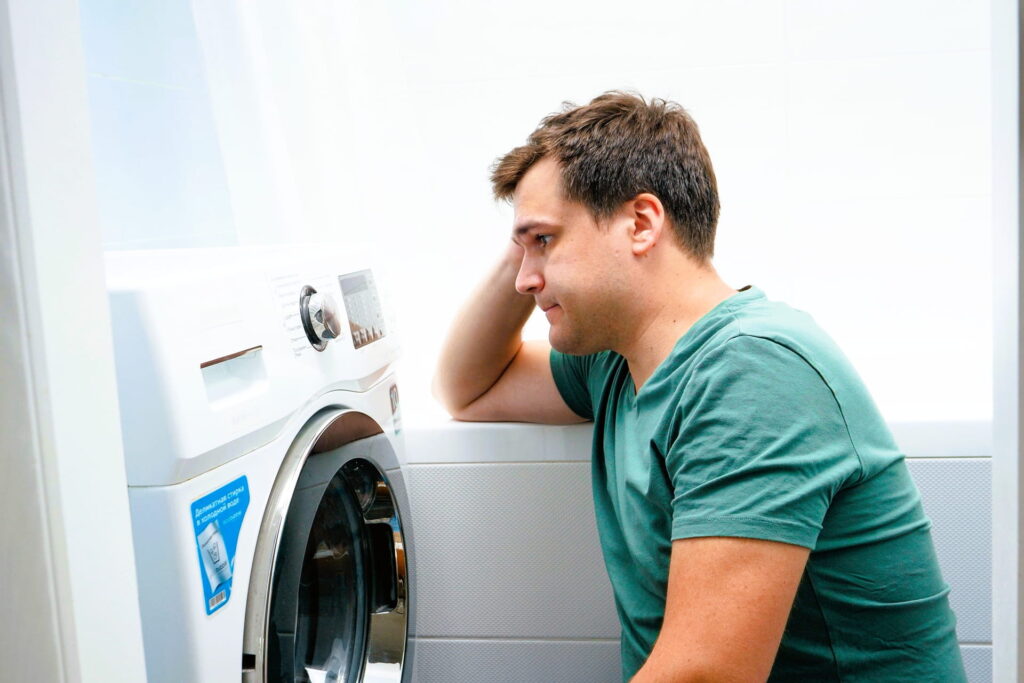
3. Dryer Not Heating Up
Dryers that tumble clothing without producing sufficient heat often have failed heating elements, damaged thermal fuses, or restricted ventilation. Drying performance drops significantly when airflow becomes limited, and that issue can create serious safety concerns. According to the U.S. Fire Administration, thousands of residential fires each year involve clothes dryers, with failure to clean dryer vents remaining a leading cause. Regular inspection and cleaning can help reduce those risks.
- Heating element failures prevent proper drying
- Restricted vents reduce airflow
- Lint buildup increases fire hazards
4. Dishwasher Not Cleaning Dishes
Dishwashers that leave behind food particles, spots, or residue often experience problems with spray arms, circulation pumps, filters, or mineral deposits. Water must circulate properly throughout the appliance to produce effective cleaning results. The U.S. Department of Energy dishwasher guidance explains that maintaining dishwashers properly helps support performance while reducing unnecessary water and energy consumption. Poor cleaning performance often signals that maintenance or repairs are needed.
- Clogged spray arms reduce water coverage
- Dirty filters affect washing performance
- Mineral deposits interfere with operation
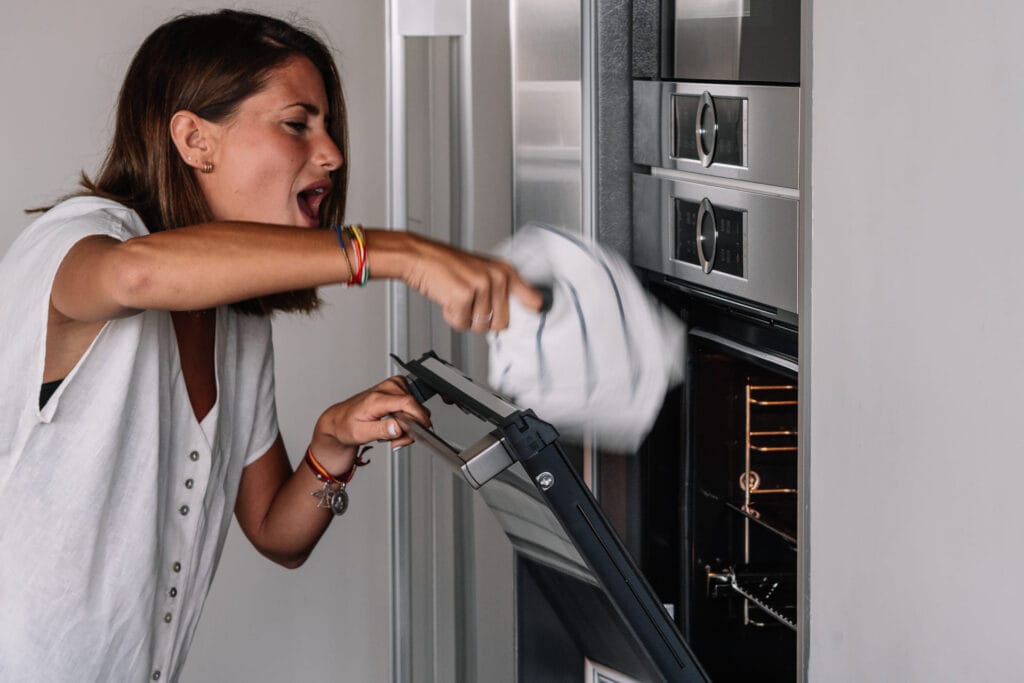
5. Oven Not Heating Evenly
Ovens that produce uneven temperatures can create cooking frustrations and food safety concerns. Damaged heating elements, inaccurate sensors, and calibration issues frequently contribute to uneven baking or roasting results. According to the USDA food safety recommendations, foods must reach proper internal temperatures to reduce the risk of foodborne illness. Reliable oven performance helps ensure meals cook safely and consistently.
- Worn heating elements create uneven temperatures
- Defective sensors affect heat regulation
- Calibration problems reduce cooking accuracy
6. Garbage Disposal Jammed
Garbage disposals commonly jam when grease, fibrous foods, bones, or foreign objects become lodged within grinding components. Restricted movement places extra strain on motors and internal mechanisms. The Environmental Protection Agency’s food waste guidance encourages proper disposal practices that help reduce plumbing and appliance issues. Careful use can help extend disposal lifespan and reduce repair needs.
- Grease buildup restricts moving parts
- Fibrous foods may create blockages
- Foreign objects can damage components
7. Microwave Not Heating Food
Microwaves that appear operational but fail to heat food often have magnetron failures, electrical issues, or damaged door switches. Because lights and turntables may continue functioning normally, homeowners sometimes overlook the underlying problem. The U.S. Food and Drug Administration microwave safety information explains the importance of proper microwave operation for safe food preparation. Heating problems should be evaluated promptly.
- Magnetron failures stop heat production
- Electrical issues interrupt operation
- Door switch problems affect functionality
8. Ice Maker Not Working
Ice makers frequently stop producing ice because of blocked water lines, defective inlet valves, or temperature fluctuations inside the freezer compartment. Ice production depends on stable freezing conditions and a consistent water supply. According to the U.S. Department of Energy refrigerator and freezer guidance, maintaining proper temperatures supports appliance performance and food preservation. Small temperature changes can significantly affect ice production.
- Blocked lines restrict water flow
- Defective valves limit ice production
- Temperature fluctuations affect performance
9. Freezer Not Freezing Properly
Freezers that struggle to maintain low temperatures often experience airflow restrictions, compressor problems, or defrost system failures. Food preservation depends heavily on temperature stability throughout the appliance. The FoodSafety.gov freezer storage recommendations state that freezers should remain at 0°F to preserve food safely. Repairing cooling issues quickly helps prevent food loss and appliance strain.
- Defrost failures create excessive frost
- Airflow restrictions reduce cooling performance
- Compressor issues affect freezing ability
10. Stove Burner Not Working
Stove burners that fail to heat properly may have damaged coils, ignition problems, wiring concerns, or worn switches. Cooking appliances rely on consistent energy delivery to maintain proper temperatures during meal preparation. The U.S. Department of Energy cooking appliance information explains that appliance performance depends on properly functioning components. Burner issues often indicate underlying wear that requires professional attention.
- Broken coils affect heat production
- Ignition problems impact gas burners
- Electrical issues interrupt power delivery
Understanding Appliance Wear Patterns
Appliance repairs rarely occur without warning. Common repair issues often develop gradually as components age, maintenance is delayed, and operating demands increase year after year. Homeowners who pay attention to changing performance, unusual sounds, leaks, and temperature fluctuations often catch problems before major failures occur. Consistent maintenance and timely appliance repair remain among the most effective ways to extend appliance lifespan and reduce long-term ownership costs.
- Performance changes often signal developing issues
- Regular maintenance supports appliance longevity
- Prompt repairs may prevent extensive damage
Most Common Appliance Repairs Key Takeaways
Many appliance problems begin with small warning signs that become more serious when ignored. Refrigerators, washers, dryers, dishwashers, ovens, freezers, and other household appliances all experience predictable forms of wear as they age. Recognizing these issues early can help homeowners reduce repair costs, avoid appliance replacement, and maintain household convenience. Paying attention to performance changes remains one of the simplest ways to protect appliance investments.
- Cooling problems are among the most common appliance repairs
- Dryer vent maintenance supports household safety
- Leaks should be addressed promptly
- Temperature fluctuations often signal appliance issues
- Regular maintenance helps extend appliance lifespan

Frequently Asked Questions About Appliance Repairs
How can homeowners tell if an appliance needs repair or replacement?
A repair is often worth considering when the appliance is still performing most of its functions and the repair cost is significantly lower than replacement. Frequent breakdowns, rising energy usage, and advanced age may indicate replacement is becoming the better option.
What appliance problems should be addressed immediately?
Burning smells, electrical sparks, water leaks, gas odors, and overheating components should be inspected as soon as possible. These issues can create safety concerns and may lead to more extensive damage if ignored.
Why do appliances seem to break down after several years?
Motors, seals, bearings, thermostats, and electrical components experience wear with regular use. As appliances age, these parts become more likely to fail, especially when maintenance has been delayed.
Can regular maintenance really reduce appliance repairs?
Yes. Cleaning refrigerator coils, replacing filters, inspecting hoses, and removing dryer lint can help appliances operate properly and reduce unnecessary strain on internal components.
How often should major household appliances be inspected?
Many appliance professionals recommend annual inspections for heavily used appliances. Regular inspections can identify developing problems before they result in unexpected breakdowns or expensive repairs.


