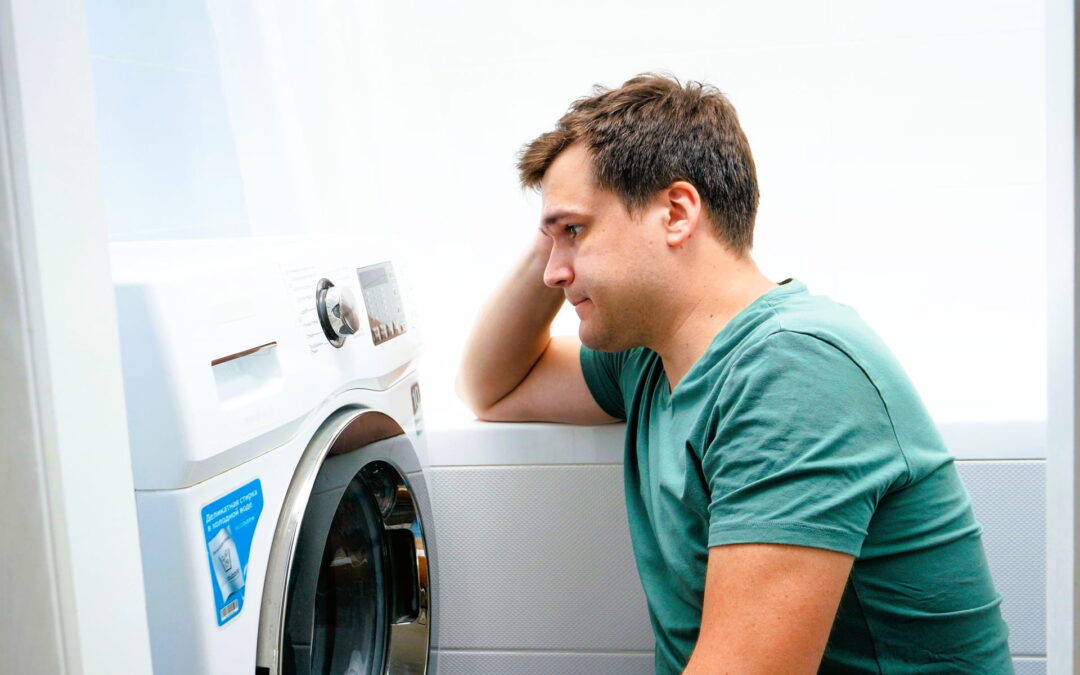
Home appliances help keep households running smoothly, yet every machine experiences wear after years of use. Small problems often appear long before a complete breakdown occurs, and homeowners who recognize those warning signs can often avoid expensive replacement costs. A dependable appliance repair service can address developing issues before they spread to other components inside the appliance. These signs explain when appliance repair may be necessary and why acting early can help protect household investments.
- Appliances experience wear over time
- Early repairs often prevent larger failures
- Recognizing warning signs can reduce costs
Common Signs You Need Appliance Repair Service
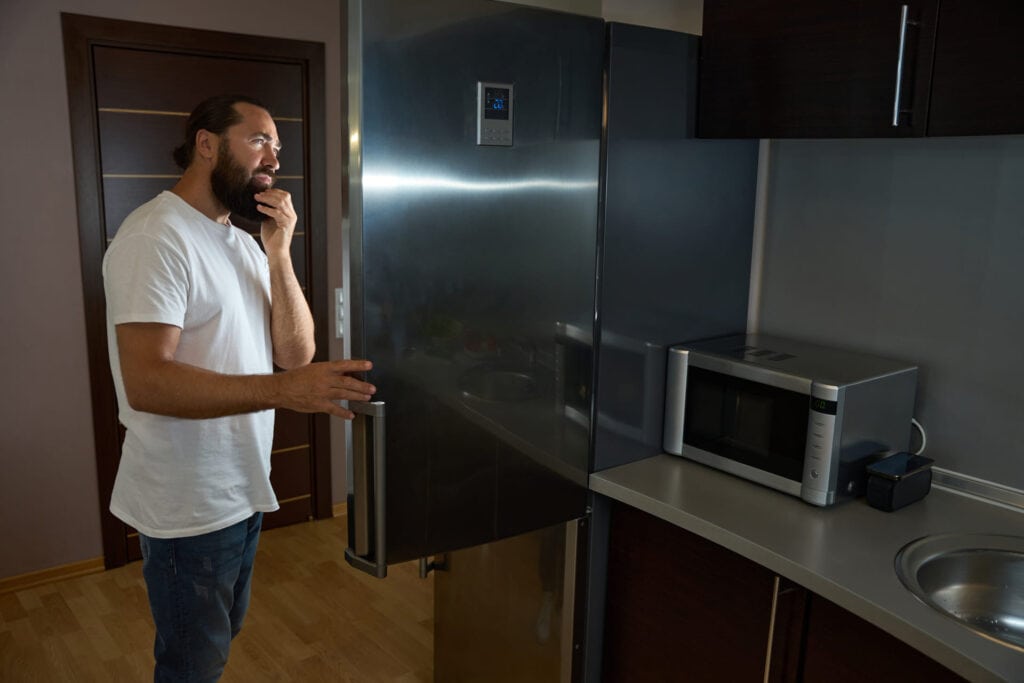
A homeowner may hear a strange sound coming from a refrigerator and assume it is part of normal operation. Weeks later the noise becomes louder, cooling performance drops, and food begins spoiling faster than expected. Situations like this happen often because many appliance issues begin with subtle symptoms. Paying attention to small changes can help homeowners schedule an appliance repair service before a minor issue becomes a major problem.
- Many repairs begin with small warning signs
- Changes in performance should not be ignored
- Early attention often prevents larger expenses
1. Unusual Appliance Noises
Strange sounds are often among the first indicators that an appliance needs attention. A washing machine may produce grinding sounds during the spin cycle, while a refrigerator may begin buzzing more than normal. Those sounds often point to worn components, loose parts, or mechanical strain. Ignoring unusual noises can allow damage to spread throughout the appliance.
According to the U.S. Department of Energy, properly maintained appliances generally perform better and last longer than neglected units.
- Grinding sounds may indicate worn bearings
- Buzzing refrigerators can signal compressor concerns
- Dishwasher noises may point to blocked spray arms
2. Reduced Appliance Performance
Appliances that no longer perform as expected often need professional attention. A dryer that requires multiple cycles to dry clothes or a dishwasher that leaves residue behind may have internal issues affecting operation. Reduced performance often develops gradually, making it easy for homeowners to overlook until the problem becomes severe. Addressing performance concerns early can help restore normal operation.
Research from ENERGY STAR shows that properly maintained appliances often consume less energy than neglected equipment.
- Dryers may struggle because of heating element issues
- Dishwashers may have clogged filters
- Refrigerators may suffer from thermostat problems
3. Water Leaks Around Appliances
Water around an appliance should never be dismissed as harmless. Leaks often indicate damaged hoses, failing seals, clogged drains, or cracks that can worsen over time. Water damage can affect flooring, cabinets, and nearby electrical systems if repairs are delayed. Quick action often prevents much larger household repairs.
The Environmental Protection Agency notes that water issues inside homes can contribute to mold growth and other indoor environmental concerns.
- Dishwasher leaks may result from damaged gaskets
- Refrigerator leaks can stem from clogged drains
- Washing machine leaks often involve worn hoses
4. Burning Smells or Excessive Heat
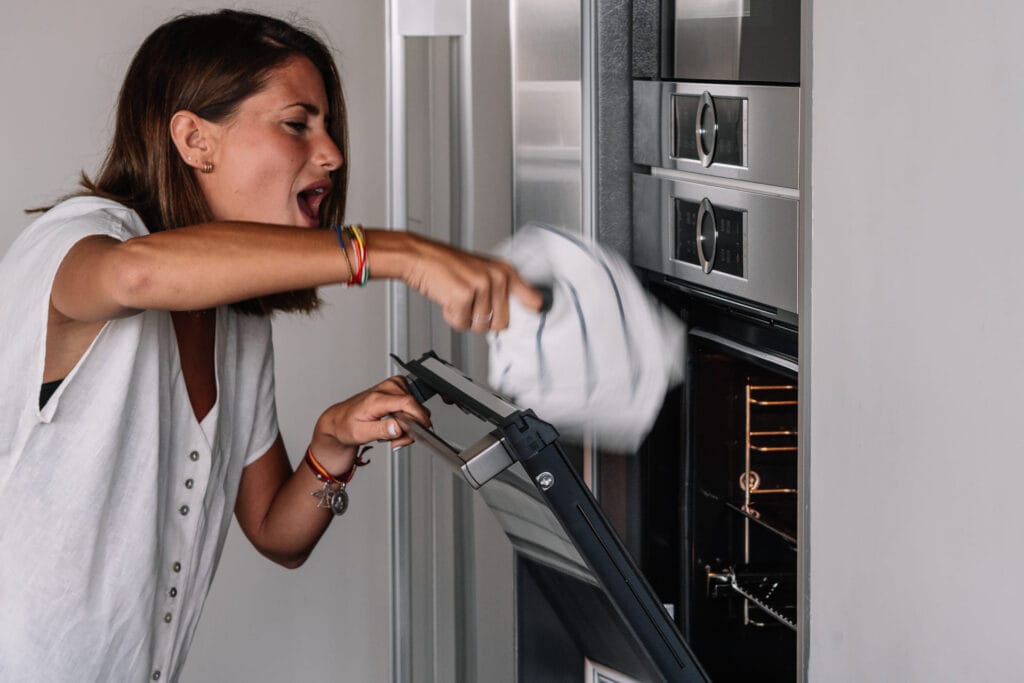
Appliances that produce burning odors or unusual heat levels may present safety concerns. Electrical components, motors, and wiring can overheat when something is malfunctioning. Homeowners should stop using the appliance immediately if these symptoms appear because continuing operation may increase the risk of damage. Safety should always come first.
The U.S. Fire Administration reports that appliance-related electrical issues contribute to residential fire incidents each year.
- Burning smells may indicate wiring problems
- Overheating motors can signal internal damage
- Sparks require immediate professional inspection
5. Controls Stop Responding
Modern appliances depend heavily on electronic controls and circuit boards. When buttons stop responding, displays behave unpredictably, or settings change without explanation, internal electrical problems may be developing. Electronic issues rarely correct themselves and often become worse over time. Professional diagnosis can identify the source before complete failure occurs.
- Control boards may stop communicating properly
- Touch panels can develop electrical faults
- Temperature controls may become inaccurate
6. Higher Utility Bills
Unexpected increases in energy usage sometimes originate from struggling appliances. When components wear out, appliances often work harder to achieve the same results, and that increased workload can raise utility costs month after month. Homeowners may notice rising bills before they notice other symptoms. Higher energy consumption frequently serves as an early warning sign.
The U.S. Department of Energy states that appliances operating with worn components can consume more electricity than systems functioning properly.
- Dirty coils increase refrigerator workload
- Blocked filters affect appliance performance
- Damaged components may increase energy use
7. Frequent Cycling or Unexpected Shutoffs
Appliances that repeatedly start and stop or shut down unexpectedly often indicate developing electrical or mechanical concerns. Refrigerators, ovens, dishwashers, and washing machines all rely on consistent operation to perform correctly. Frequent interruptions place additional stress on internal components and may shorten appliance lifespan. Consistent operation matters.
- Unexpected shutoffs may indicate wiring issues
- Frequent cycling can strain components
- Repeated interruptions often signal deeper problems
Protecting Appliances Through Early Action
Each of these warning signs points to the same reality. Appliances rarely fail without first showing symptoms, and homeowners who respond quickly often avoid larger repair bills and premature replacement costs. Strange sounds, leaks, performance issues, electrical concerns, rising utility bills, and inconsistent operation all provide valuable clues about appliance health. A qualified appliance repair service can identify the source of these issues and help extend appliance lifespan while reducing the likelihood of future breakdowns.
- Early repairs often cost less than major repairs
- Warning signs should never be ignored
- Professional service helps protect appliance lifespan
Key Takeaways on the Signs You Need an Appliance Repair Service
Recognizing appliance problems early can save homeowners money and reduce household disruption. Unusual noises, poor performance, leaks, overheating, control problems, rising energy costs, and inconsistent operation often indicate the need for an appliance repair service. Prompt repairs help preserve appliance lifespan and reduce the risk of complete failure. Paying attention to these warning signs can help homeowners make informed decisions before small issues become costly problems.
- Strange noises often indicate mechanical wear
- Performance issues may signal internal damage
- Leaks should be addressed quickly
- Electrical symptoms can present safety concerns
- Timely appliance repair helps extend appliance lifespan
Frequently Asked Questions
How long do most household appliances last?
Most appliances last between 8 and 15 years depending on maintenance, usage habits, and appliance type.
Should unusual appliance sounds always be investigated?
Yes. Strange sounds often indicate developing mechanical issues that may worsen if ignored.
Can appliance repair reduce energy costs?
Repairing worn or malfunctioning components can help appliances operate more effectively and reduce unnecessary energy consumption.
When should a leaking appliance be inspected?
Any appliance leak should be inspected as soon as possible to prevent water damage and additional repairs.
Why do appliances suddenly stop responding?
Electronic controls, wiring issues, damaged sensors, or failing circuit boards can all cause appliances to become unresponsive.


