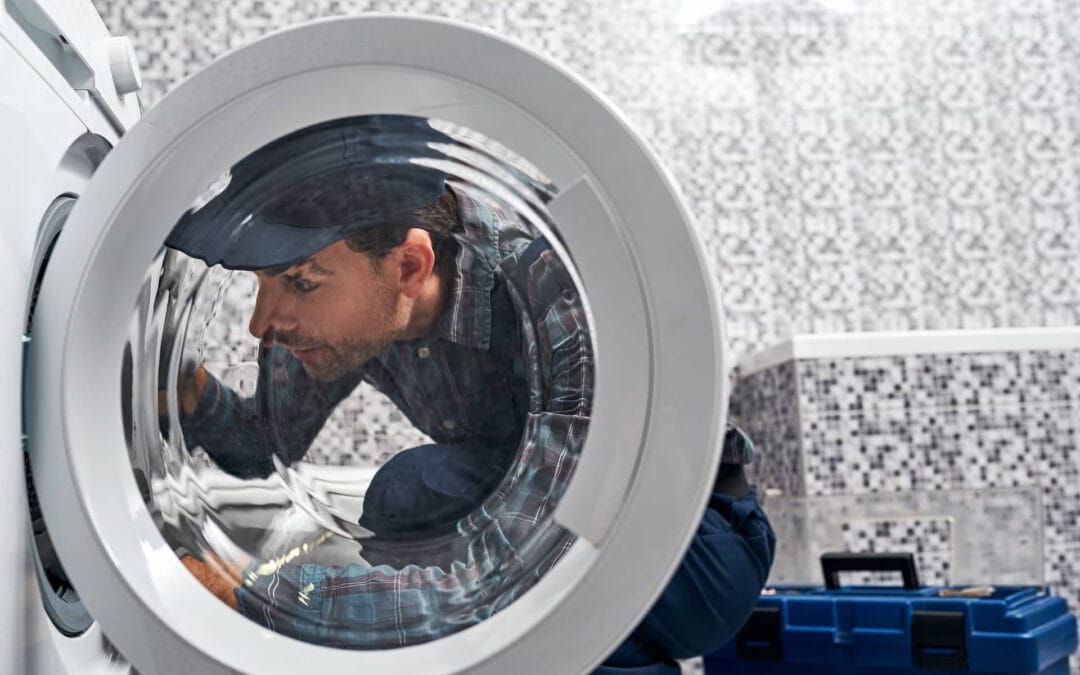
Household appliances are indispensable in modern homes, making daily tasks more manageable. However, when they break down, the need for professional repair becomes urgent. Choosing a certified appliance repair technician ensures that repairs are done efficiently and safely, preventing further issues. Certified professionals are trained to handle appliances with precision, guaranteeing better results than uncertified alternatives.
What Makes a Technician Certified
Certified appliance repair technicians complete specialized training and testing to develop the skills needed to diagnose and repair household appliances safely and correctly. According to the U.S. Bureau of Labor Statistics, appliance repair technicians often receive training through vocational programs, apprenticeships, and hands-on work experience that prepares them to service a wide range of appliances. Many technicians also participate in manufacturer training programs to stay current with smart appliances, electronic controls, and emerging technologies. Knowledge of safety procedures is equally important because the U.S. Consumer Product Safety Commission’s home safety guidance warns that household appliances can present electrical and fire hazards when repairs are performed incorrectly.
• Training programs help technicians develop diagnostic and repair skills
• Manufacturer courses prepare technicians for modern appliance technology
• Safety education helps reduce risks associated with electrical appliance repairs
Benefits of Hiring Certified Professionals
Certified technicians bring practical skill and professionalism to every repair. Their training helps them diagnose issues correctly and fix problems before they create more damage inside the appliance. A certified technician understands how to repair appliances while protecting nearby parts, which can save homeowners time and money. According to the U.S. Bureau of Labor Statistics appliance repair technician training guidance, appliance repair technicians often learn through technical programs, apprenticeships, and on-the-job training that prepare them to service household appliances.
- Certified technicians follow standard repair practices that support consistent work
- Trained professionals may have access to manufacturer tools and approved replacement parts
- Qualified technicians can help reduce repeat repair issues and protect appliance lifespan
Common Risks of Uncertified Repairs
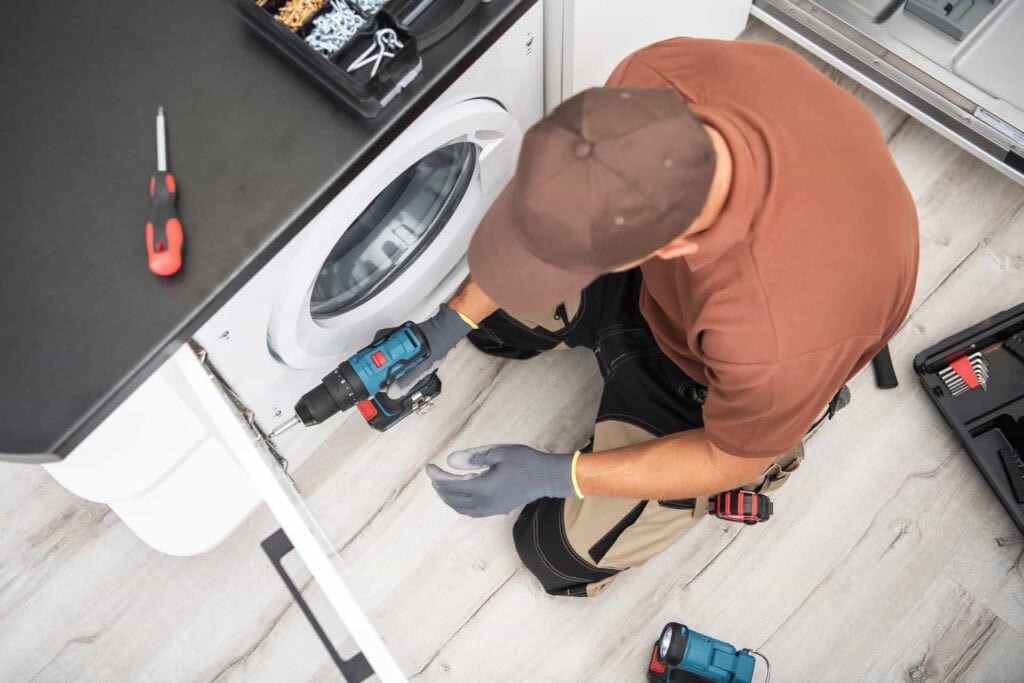
Uncertified repairs may seem like a cost-effective solution, but they often lead to more problems than they solve. A homeowner once hired an uncertified repairperson to fix their dryer, only to have it malfunction again within weeks due to improper handling. Such experiences highlight the risks associated with uncertified repairs, which can void warranties, cause safety hazards, and increase costs over time.
- Uncertified technicians may lack knowledge of modern appliances, leading to improper fixes.
- Poor-quality repairs can result in appliance breakdowns or even electrical fires.
- Many manufacturers void warranties if repairs are performed by uncertified individuals.
Certified Technicians and Appliance Warranties
Manufacturer warranties are a significant benefit of modern appliances, helping protect consumers from costly repair bills during the coverage period. Many appliance manufacturers include specific warranty terms that limit who can perform repairs and what parts can be used. Certified technicians help homeowners stay within those requirements, reducing the risk of warranty disputes later. According to the Federal Trade Commission’s guide to federal warranty law, warranty coverage and repair requirements are governed by specific consumer protection rules, making it important for homeowners to understand and follow manufacturer warranty conditions when seeking repairs.
- Certified repairs help maintain compliance with manufacturer warranty requirements
- Technicians are often trained to install approved replacement parts that support appliance performance
- Warranty-compliant repairs can help homeowners avoid unexpected out-of-pocket expenses
How to Verify a Technician’s Certification
Verifying a technician’s qualifications can help homeowners make informed decisions when hiring someone to repair household appliances. The Federal Trade Commission’s guidance on hiring repair services recommends checking credentials, obtaining written estimates, and researching companies before agreeing to repairs. Homeowners can ask technicians about training, certifications, manufacturer authorization, and work experience to better understand their qualifications. Taking a few minutes to verify credentials can help reduce the risk of poor workmanship, unnecessary repairs, or unexpected costs.
• Request proof of certifications, training, or manufacturer authorization before scheduling repairs
• Review business ratings and complaint histories through the Better Business Bureau
• Visit manufacturer websites to locate authorized appliance repair professionals for specific brands
Peace of Mind and Quality Service
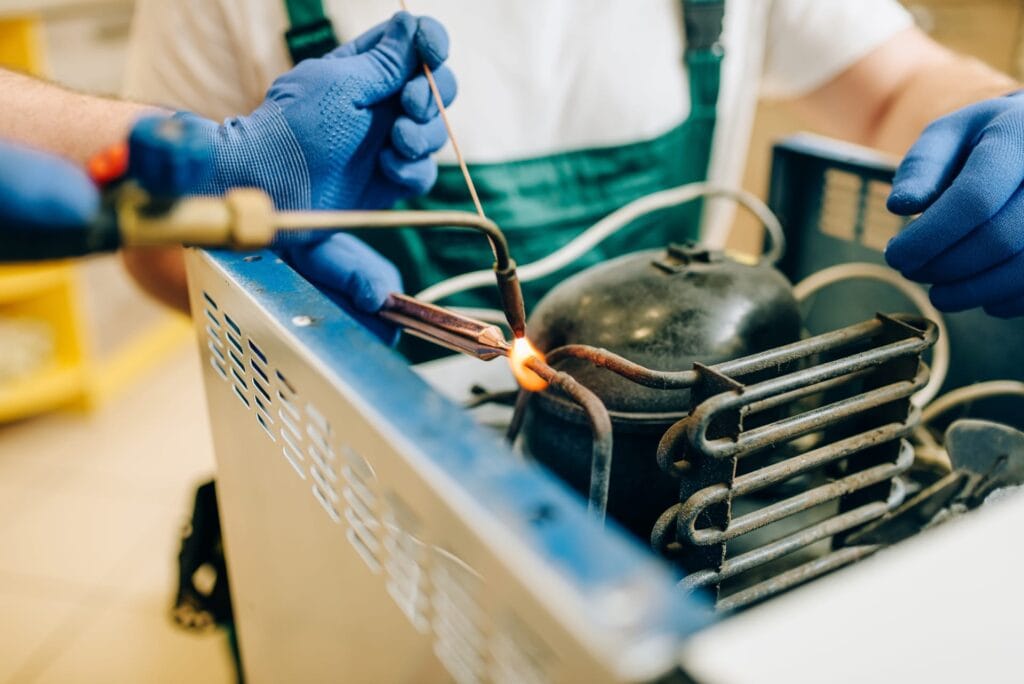
Certified technicians provide more than repairs. They provide confidence that appliances are being serviced by individuals who have completed specialized training and understand proper repair procedures. Homeowners can feel more comfortable knowing their appliances are being handled by professionals who follow industry standards and safety practices. According to the U.S. Consumer Product Safety Commission’s home safety guidance, household appliances can pose electrical and fire hazards when they are improperly installed, maintained, or repaired, making qualified service an important part of household safety. Choosing certified expertise can help reduce unnecessary stress while supporting appliance performance and longevity.
- Certified technicians are trained to follow established repair and safety practices
- Professional repairs can help reduce the risk of appliance-related safety hazards
- Qualified service often helps homeowners avoid repeat repairs and unexpected expenses
Key Takeaways for Hiring a Certified Appliance Repair Technician
- Certified technicians undergo rigorous training to deliver reliable and efficient repairs.
- Uncertified repairs can void warranties, cause additional damage, or pose safety risks.
- Verifying certifications ensures customers receive high-quality service and long-term savings.
Frequently Asked Questions About Certified Appliance Repair Technicians
1. How can I confirm if a technician is certified?
Ask for proof of certification, such as a PSA or ISCET credential. You can also check online directories provided by these organizations or the appliance manufacturer.
2. Are certified repairs more expensive than uncertified options?
Certified repairs may have a higher upfront cost, but they save money in the long run by preventing recurring issues, ensuring warranty compliance, and avoiding costly replacements.
3. What appliances require certified technicians for repairs?
High-tech appliances like smart refrigerators, washing machines, and HVAC systems often require certified technicians. Certification ensures familiarity with advanced technology.
4. How do certified technicians stay updated on new appliances?
Certified technicians regularly attend manufacturer training and industry workshops to stay informed about new models, tools, and repair techniques.
5. Can hiring an uncertified technician void my appliance warranty?
Yes, many manufacturers specify that repairs must be performed by certified technicians to maintain warranty validity. Hiring uncertified professionals can nullify these protections.


