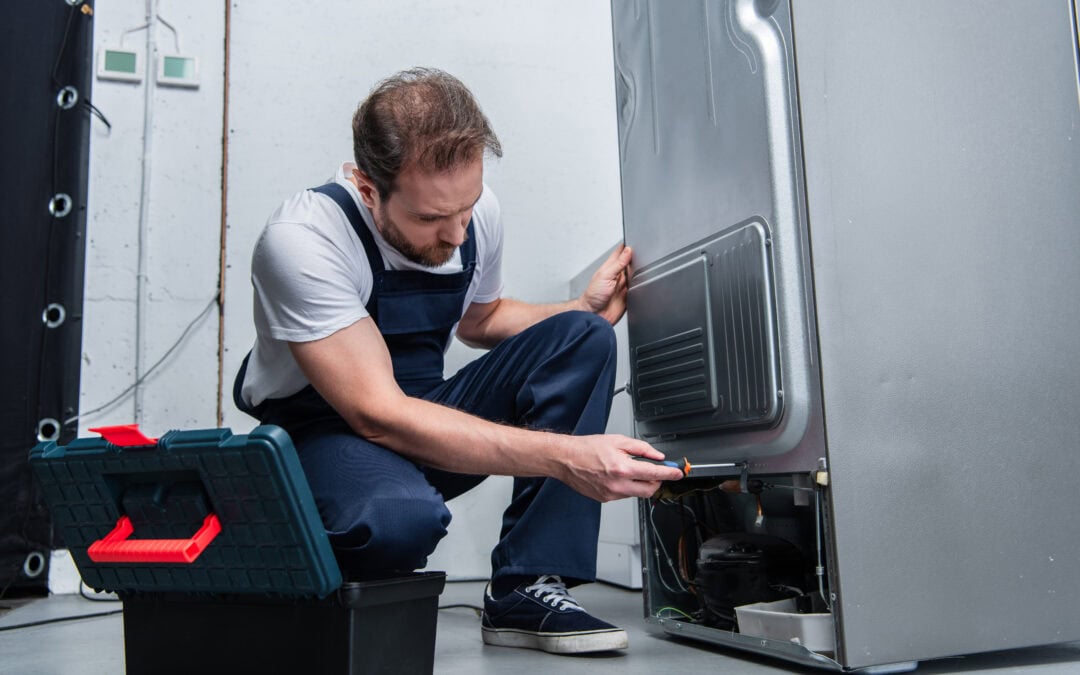
Home appliances handle countless tasks every day, from keeping food cold to cleaning clothes and dishes. Years of use place stress on motors, seals, electrical components, and moving parts, which can gradually reduce performance. Extending the lifespan of home appliances often comes down to simple habits and timely attention when something seems off. There are practical ways homeowners can help appliances last longer and avoid unnecessary replacement costs. Proper appliance repair plays a major role in helping household appliances last longer, preventing small mechanical issues from turning into costly breakdowns or early replacements.
- Appliances experience wear from daily use
- Simple maintenance habits make a difference
- Early action often prevents larger problems
Extend the Lifespan of Home Appliances
A homeowner noticed a small leak beneath a dishwasher and decided to wait before addressing it. Several months later, moisture damaged nearby flooring and the appliance required replacement. Situations like this happen more often than many people realize because small issues rarely stay small forever. Taking action early often helps homeowners avoid larger repair bills and longer periods without important appliances.
- Minor issues can become major repairs
- Early attention helps reduce damage
- Timely service often saves money
1. Schedule Regular Maintenance
Routine maintenance remains one of the most effective ways to extend the lifespan of home appliances. Dust, grease, debris, and buildup can force components to work harder than necessary. According to the U.S. Department of Energy, neglected appliances often consume more energy because systems must compensate for restricted performance. Regular inspections help identify developing concerns before they become expensive repairs.
- Maintenance reduces unnecessary strain
- Inspections identify hidden issues
- Clean components support better performance
2. Address Repairs Quickly
Strange sounds, leaks, weak performance, and unusual odors often signal developing problems. Many appliance failures begin with small issues that worsen over time when ignored. Consumer Reports has found that prompt repairs can help prevent many common appliance breakdowns. Fast action usually limits damage to surrounding components.
- Small issues often grow larger
- Prompt repairs reduce mechanical stress
- Early fixes can lower repair expenses

3. Keep Appliances Clean
Clean appliances generally operate with less strain than dirty ones. Refrigerator coils, dishwasher filters, dryer vents, and range hood filters all collect buildup over time that can interfere with performance. Dirt accumulation forces motors and other components to work harder, shortening their useful life. Regular cleaning helps appliances function as intended.
- Clean coils improve refrigerator operation
- Filters support proper airflow and drainage
- Less buildup means reduced system stress
4. Avoid Overloading Equipment
Many homeowners unknowingly place extra stress on appliances by overloading them. Washing machines, dryers, and dishwashers all perform best when used within manufacturer recommendations. Heavy loads increase wear on motors, belts, bearings, and suspension systems. Smaller loads often help appliances last longer.
- Overloading increases component wear
- Balanced loads reduce strain
- Motors work more effectively with proper capacity
5. Pay Attention to Warning Signs
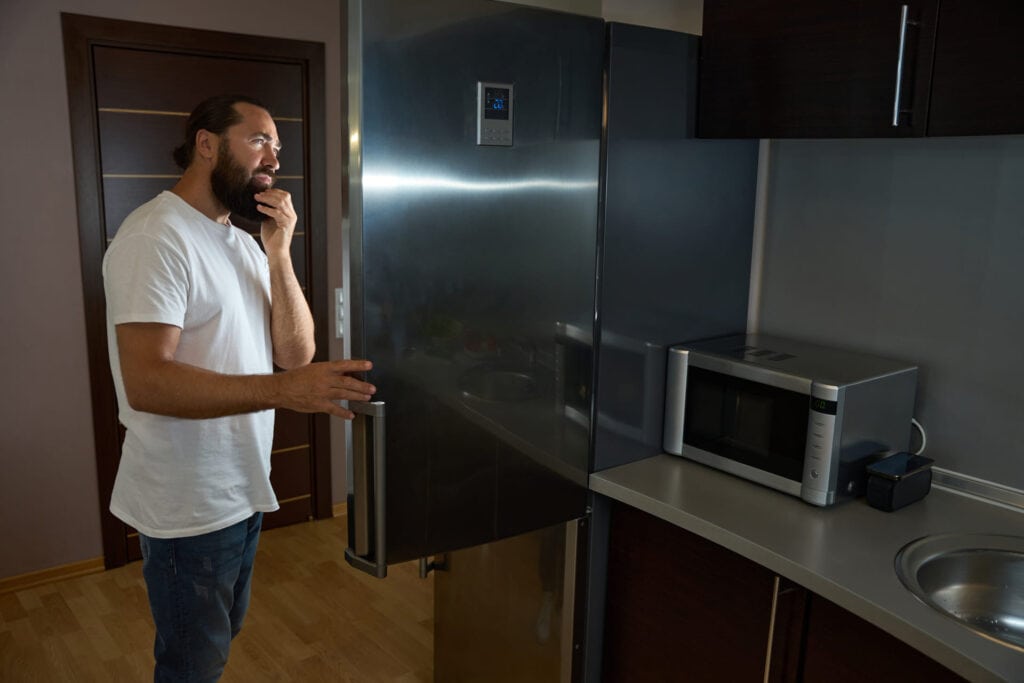
Appliances often provide clues before a breakdown occurs. Grinding noises, rattling sounds, inconsistent temperatures, and water leaks usually indicate something needs attention. Homeowners who recognize these warning signs early often avoid more extensive repairs later. Awareness plays a major role in appliance longevity.
- Unusual sounds may indicate worn parts
- Temperature changes can signal system issues
- Leaks often point to developing failures
6. Maintain Proper Airflow
Many appliances depend on unrestricted airflow to operate correctly. Dryers require clean vents, refrigerators need clearance around condenser areas, and freezers rely on proper circulation to maintain temperatures. The U.S. Fire Administration reports thousands of dryer fires each year, many involving lint accumulation. Good airflow supports both performance and safety.
- Dryer vents should be cleaned regularly
- Air circulation helps cooling systems operate properly
- Blocked airflow increases wear on components
7. Use Qualified Repair Professionals
Professional repairs can significantly affect how long an appliance remains in service. Skilled technicians identify root causes rather than focusing only on visible symptoms, and that difference matters. Proper repairs help prevent recurring problems and unnecessary part replacements. Quality workmanship often extends appliance life well beyond expectations.
- Accurate diagnoses prevent repeat issues
- Professional repairs address root causes
- Qualified service helps protect appliance lifespan
Getting More Years From Home Appliances
Each of these seven strategies works together to reduce wear and support long-term appliance performance. Homeowners who clean appliances regularly, respond to warning signs quickly, avoid overloading equipment, and schedule maintenance often experience fewer breakdowns. Consistent appliance repair helps address developing problems before they spread to other components, allowing homeowners to extend appliance lifespan. This avoids the unnecessary costs of expensive replacements. Small efforts performed consistently can make a substantial difference over the life of an appliance. Better care today often means fewer replacements tomorrow.
- Maintenance and repairs work together
- Early action helps reduce long-term costs
- Consistent care supports appliance longevity

Key Takeaways on How to Extend the Lifespan of Your Home Appliances
Extending the lifespan of home appliances starts with regular maintenance, prompt repairs, proper cleaning, and responsible daily use. Government agencies consistently report that maintained appliances operate more effectively and often last longer than neglected units. Paying attention to warning signs and working with qualified repair professionals can help homeowners avoid many common appliance failures. Small preventive steps often produce significant long-term savings.
- Schedule maintenance regularly
- Address appliance problems quickly
- Keep appliances clean and free of buildup
- Avoid overloading equipment
- Work with qualified repair professionals
Frequently Asked Questions
How often should appliances receive maintenance?
Most household appliances benefit from yearly maintenance, while heavily used appliances may need more frequent inspections.
What appliance maintenance task is commonly overlooked?
Cleaning refrigerator coils and dryer vents are two maintenance tasks homeowners often forget despite their importance.
Can appliance maintenance lower energy costs?
Yes. Properly maintained appliances often use less energy because components do not have to work as hard.
What warning sign should never be ignored?
Burning odors, electrical sparks, and water leaks should always be addressed immediately because they may indicate safety concerns.
Is repairing an appliance usually better than replacing it?
Many appliances can continue operating for years after repairs, especially when problems are addressed early before significant damage occurs.


